How Professional Cleaning Stops Pests Before They Start
Alpine Building Maintenance and Supply has spent years working alongside facility managers, property owners, and business operators who all share a common frustration: they invest in pest control treatments, only to watch the same problems resurface months later. What many of them eventually discover is that the missing piece was never the pesticide. It was the environment that kept inviting pests back in. Professional cleaning and pest prevention are not two separate strategies. They are two halves of the same solution, and understanding how they work together can save you significant time, money, and stress.
Pests do not choose a space randomly. They follow a reliable set of conditions: food availability, moisture, warmth, and shelter. When any of those conditions are consistently present in a building, pest activity becomes nearly inevitable regardless of how many treatments are applied. Research from the National Pest Management Association consistently shows that sanitation failures are among the leading contributors to recurring infestations in commercial and residential properties alike. Addressing the root conditions is not just helpful. It is essential.
Why Cleaning and Pest Control Must Work Together
Pest management professionals often refer to Integrated Pest Management, or IPM, as the gold standard approach. IPM is a science-based strategy that prioritizes prevention over reaction. It combines biological knowledge, environmental controls, and targeted treatments to manage pest populations in a way that is safer, more effective, and longer-lasting than chemical treatments alone. Professional cleaning sits at the very heart of this model, because it directly eliminates the conditions pests depend on to survive.
Food Sources and Waste Management
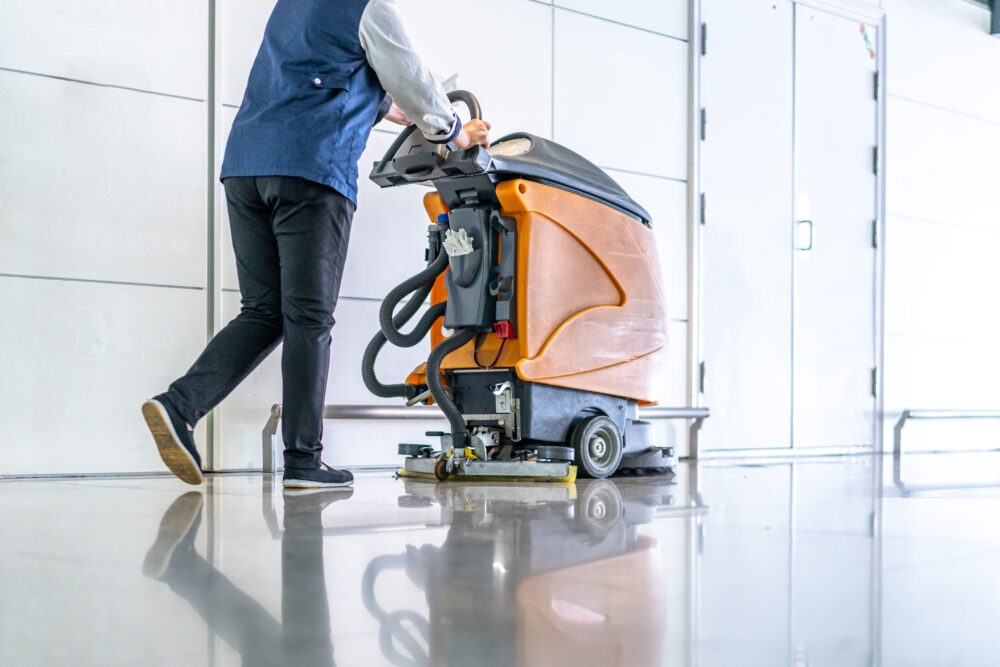
One of the most overlooked realities in pest prevention is how little food it takes to sustain a pest population. A small accumulation of crumbs behind a break room appliance, grease residue on a kitchen surface, or improperly sealed trash receptacles can provide more than enough sustenance for rodents and insects to thrive. Professional cleaning services are trained to address these areas with a thoroughness that routine in-house cleaning often cannot match. Deep cleaning behind equipment, degreasing surfaces, sanitizing waste areas, and maintaining proper disposal protocols all work to cut off the food supply that keeps pests coming back.
Moisture Control and Structural Awareness
Moisture is arguably the most powerful attractant for a wide range of pests including cockroaches, silverfish, carpenter ants, and various mold-related insects. Professional cleaners are trained to identify and address moisture-prone areas: grout lines in restrooms, condensation buildup around HVAC units, standing water under sinks, and drainage issues in utility spaces. By keeping these areas consistently dry and clean, you remove one of the most critical survival resources pests seek out. This is not just cleaning for appearance. It is cleaning for prevention.
Clutter Reduction and Harborage Elimination
Pests are cautious by nature. They thrive in environments where they can move, nest, and breed without disturbance. Cluttered storage areas, boxes pushed against walls, and rarely moved furniture all create the kind of hidden harborage zones that allow pest populations to grow undetected for weeks or months. A professional cleaning program includes systematic attention to these spaces, reducing the opportunities pests have to establish themselves quietly before you ever notice a problem.
The Compounding Value of a Consistent Program
One professional cleaning visit can make a meaningful difference. A consistent, scheduled program is where the real protection happens. Pests operate on biological cycles, and infestations tend to grow exponentially when left unchecked. A regular cleaning cadence disrupts those cycles continuously, making it far harder for any pest population to gain a foothold. When combined with periodic inspections from a licensed pest management professional, this approach creates a layered defense that is significantly more effective than either strategy alone.
It is also worth noting the financial dimension. The cost of a recurring cleaning program is almost always lower than the cost of treating an active infestation, managing the reputational damage that can come with pest sightings in a commercial setting, or addressing the structural damage that certain pests like termites or rodents can cause over time. Prevention, in this case, is genuinely the more economical path.
Building a Cleaner Foundation for Pest-Free Spaces
The relationship between professional cleaning and pest control is not incidental. It is foundational. Every square foot of a building that is consistently maintained, sanitized, and free of the conditions pests depend on is a square foot they are far less likely to inhabit. This is the philosophy that drives the work Alpine Building Maintenance and Supply brings to every facility we serve.
If you are currently working with a pest control provider and still seeing recurring issues, it may be time to evaluate the cleaning side of the equation. A thorough, professionally managed cleaning program could be the piece that finally makes your pest prevention strategy work the way it was always supposed to. Reach out to Alpine Building Maintenance and Supply to learn how our integrated facility maintenance approach can support a healthier, pest-resistant environment for your property.